5 Classroom Organization Tips Every Elementary Teacher Should Try
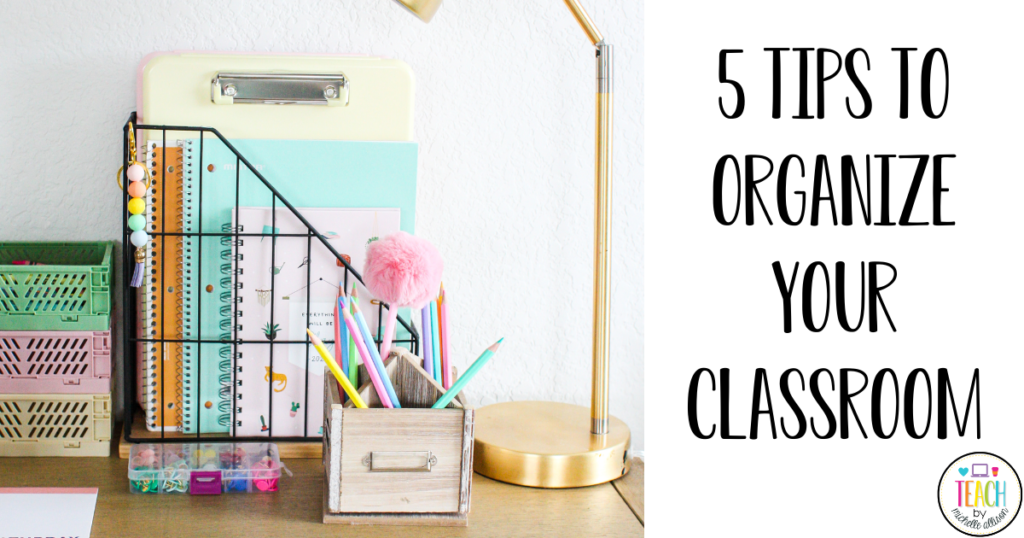
Is your classroom already starting to feel cluttered? Between lesson materials, student supplies, paperwork, and classroom decor, it’s easy for things to pile up before the school year is even in full swing.
The good news? Staying organized doesn’t require expensive storage systems or a complete classroom makeover. A few simple routines can save you time, reduce stress, and help your classroom run more smoothly every day.
Whether you’re setting up a brand-new classroom or refreshing your current space, these classroom organization tips will help you create systems that are easy to maintain all year long.
Classroom Organization Tips: #1 Create Designated Areas for Classroom Supplies
One of the easiest ways to reduce classroom clutter is to give every item a permanent home.
Start by separating the materials your students use every day from the supplies you only need occasionally. Daily essentials like crayons, scissors, glue sticks, pencils, dry erase markers, and math manipulatives should be easy for students to access. Seasonal materials, science supplies, and extra curriculum resources can be stored in cabinets or closets until you need them.
Grouping similar items together also makes it much easier for substitute teachers, classroom volunteers, and teaching assistants to find what they need.
Teacher Tip: Keep frequently used supplies together in one area of your classroom so you aren’t constantly walking from cabinet to cabinet during lessons.
Classroom Organization Tips: #2 Choose Storage Solutions That Work for Your Classroom
Not every classroom needs expensive organizational systems.
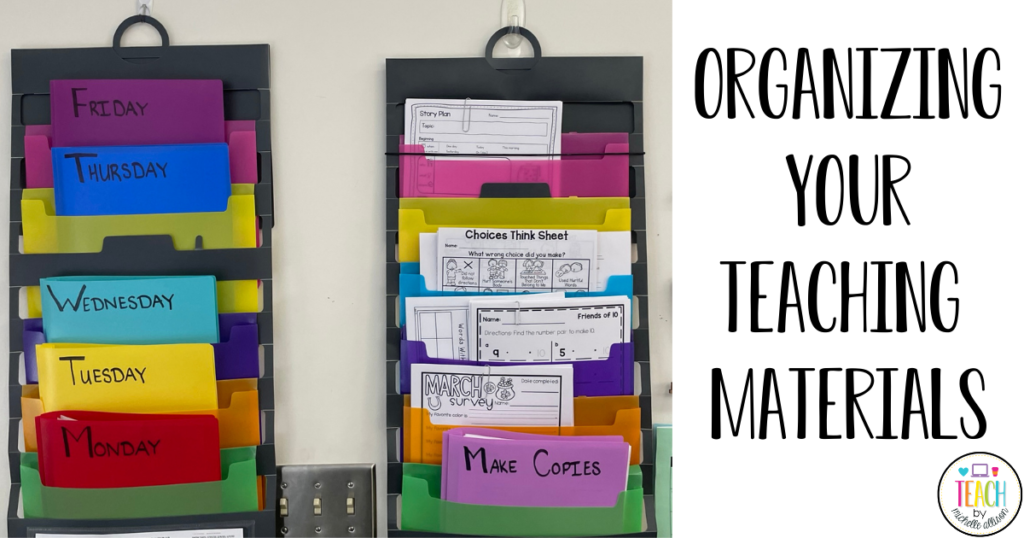
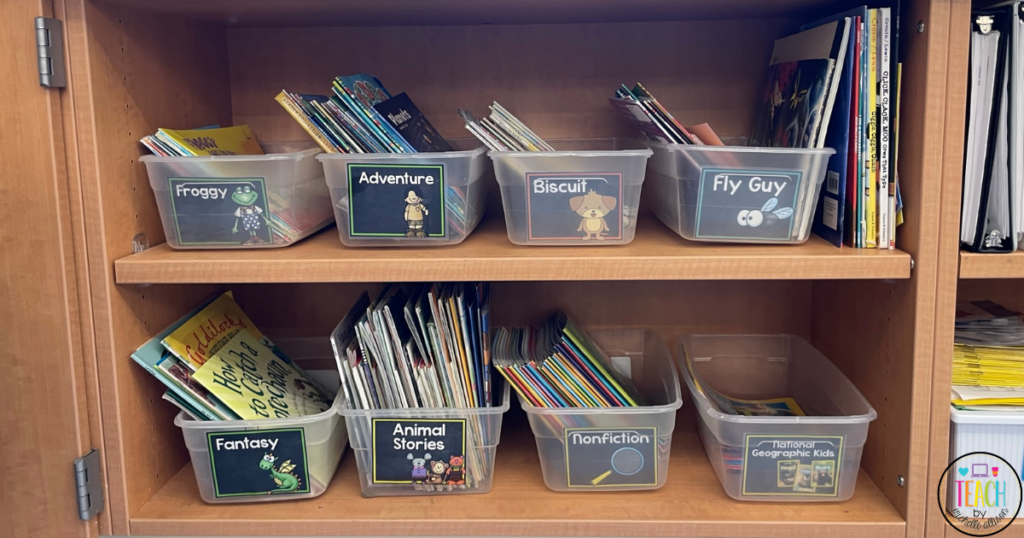
Clear bins, plastic drawers, rolling carts, magazine holders, and hanging file organizers all work well for keeping materials organized while allowing you to quickly see what’s inside.
I especially love using clear containers because I can find exactly what I need without opening multiple drawers. My weekly teaching materials stay organized in hanging wall folders, while manipulatives and craft supplies are sorted into labeled storage bins.
The easier it is to access your materials, the more likely you’ll keep them organized.
Classroom Organization Tips: #3 Create a Simple Paper Management System
If there’s one thing teachers never seem to run out of, it’s paperwork.
Student work, permission slips, homework, assessments, and notes from families can quickly become overwhelming if you don’t have a system.
Instead of creating piles on your desk, designate specific folders or trays for:
- To Grade
- To Copy
- Ready to Send Home
- Parent Forms
- Absent Student Work
Having designated locations for papers means you’ll always know exactly where to look, even during your busiest weeks.
Classroom Organization Tips: #4 Label Everything
Labels are one of the easiest classroom organization tools you can use.
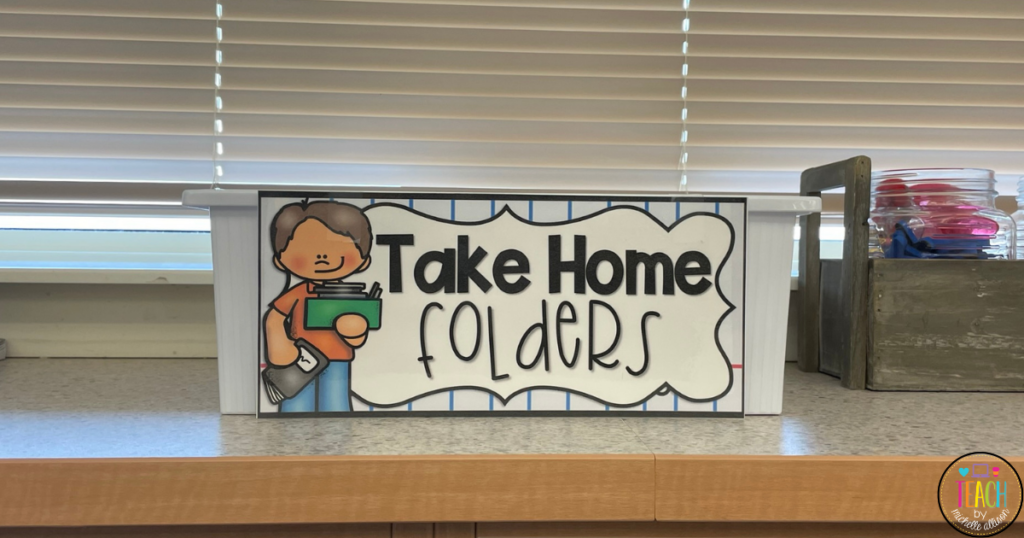
When shelves, bins, drawers, and supply containers are clearly labeled, students become much more independent. They can find what they need, clean up after themselves, and help maintain your classroom systems without constant reminders.
Picture labels work especially well in kindergarten and first grade because even your beginning readers can identify where materials belong.
The more responsibility students take for keeping the classroom organized, the less work you’ll have to do at the end of the day.
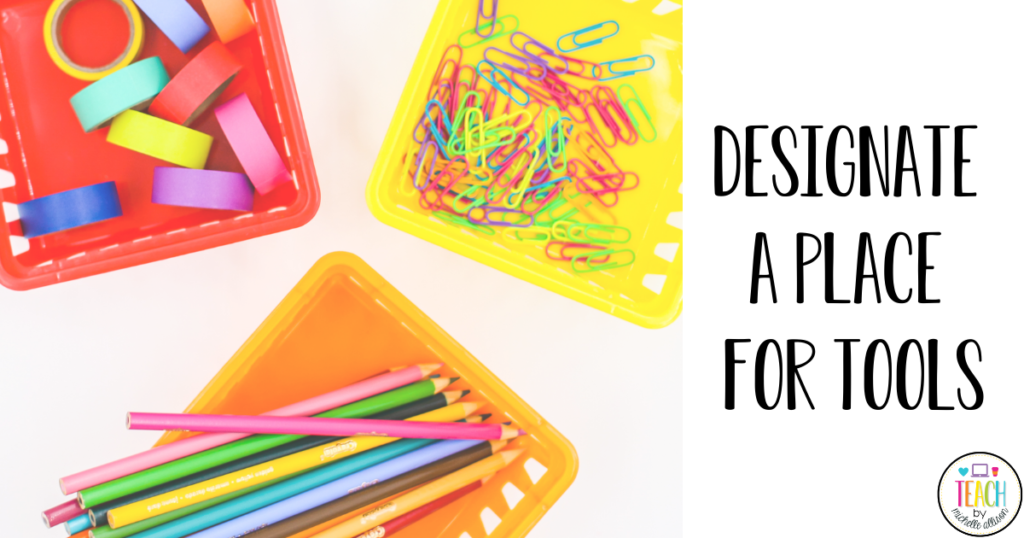
Once you have determined your most-used instructional materials and supplies, choose storage solutions that will ensure your materials are readily accessible. I love these storage drawers, and they fit perfectly under my counter!
Try using clear containers to hold everyday classroom items, and you’ll never have to dig around in a cluttered drawer again. For example, use plastic snack-size bags (they’re durable and they come in different sizes) for colored pencils, markers, highlighters, and crayons. The next time you need colored pencils for a drawing or coloring sheet, grab one from your container—no hunting required!
Classroom Organization Tips: #5 Organizational Systems You Can Actually Maintain
Pinterest-worthy classrooms are beautiful, but the best classroom organization systems are the ones you’ll actually use.
Choose routines that fit your teaching style and schedule. If a system requires too much maintenance, it probably won’t last through October.
Simple systems often work best:
- Empty your desk before leaving each day.
- Return supplies to their designated spots after every lesson.
- Sort papers before going home.
- Spend five minutes resetting your classroom before students arrive each morning.
Small habits prevent clutter from becoming overwhelming later in the school year.
Classroom Organization Tips: #6 Organized Classrooms Don’t Have to Be Perfect
An organized classroom doesn’t have to be perfect. The goal is to create simple systems that save you time, reduce stress, and help your students become more independent.
Start by organizing one area at a time. As your classroom routines become second nature, you’ll spend less time searching for materials and more time focusing on what matters most—teaching your students.
Frequently Asked Questions About Classroom Organization Tips
How do I organize my classroom for the school year?
Start by creating designated areas for supplies, student materials, and teacher resources. Store frequently used items where they’re easy to reach, and keep seasonal or less-used materials in cabinets or storage bins. Labeling shelves and containers also helps students stay organized throughout the year.
What are the best classroom organization ideas for elementary teachers?
Some of the most effective classroom organization ideas include:
- Use clear storage bins so supplies are easy to find.
- Label every container and shelf.
- Create a dedicated paper management system.
- Organize your classroom library with labeled book bins.
- Keep daily teaching materials together in one location.
- Give every classroom supply a designated home.
Simple systems are often the easiest to maintain all year long.
How can I keep my classroom organized all year?
The key is creating routines instead of relying on one big cleanup. Encourage students to return supplies to their designated spots, spend a few minutes organizing at the end of each day, and regularly declutter materials you no longer use. Small daily habits prevent classroom clutter from building up.
How should teachers organize classroom supplies?
Store similar supplies together using bins, drawers, or baskets. Keep high-use items like pencils, crayons, glue sticks, scissors, and dry erase markers within easy reach. Label each container so students know exactly where materials belong, making cleanup faster and encouraging independence.
How do I organize student papers?
A simple paper management system can save hours each week. Use labeled trays or hanging folders for:
- To Grade
- To Copy
- Send Home
- Parent Forms
- Absent Student Work
Keeping papers separated prevents stacks from piling up on your desk and makes it easy to find what you need.
What is the best way to organize a classroom library?
Sort books into categories that make sense for your students, such as genres, reading levels, authors, or themes. Store books in labeled bins with both words and pictures so young learners can independently find and return books to the correct place.
How do I organize teaching materials?
Many teachers use hanging file organizers, rolling carts, drawer systems, or storage bins to keep lesson plans and copies organized. Keeping materials grouped by subject, week, or unit makes planning more efficient and reduces time spent searching for resources.
Why is classroom organization important?
An organized classroom creates a calmer learning environment, saves instructional time, and helps students develop independence. When materials are easy to find and classroom routines are consistent, teachers spend less time managing clutter and more time focused on teaching.
Related Blog Posts
Meet the Teacher Ideas
Editable Open House Flipbook
Have you heard of Boom Cards? Learn more about how these digital task cards here!